A closer look at the activities we use to build confidence and early reading skills.
Guiding children towards confident, independent reading through calm, supportive teaching.
Our sessions use clear, structured activities and a wide range of engaging resources, carefully matched to each child’s current level.
This page gives you a closer look at the types of activities we use, so you can see how we support your child’s reading development.
Building Core Reading Skills
Understanding the connections between sounds and letters is essential for reading. Practising blending and segmenting with real words and letters is the most effective way of improving phonemic awareness, reading and spelling.
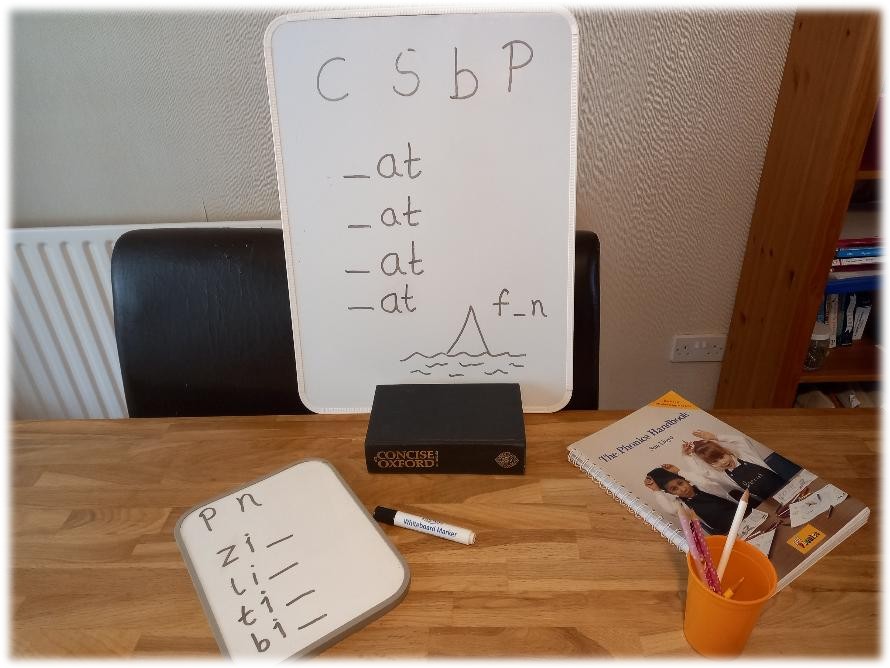
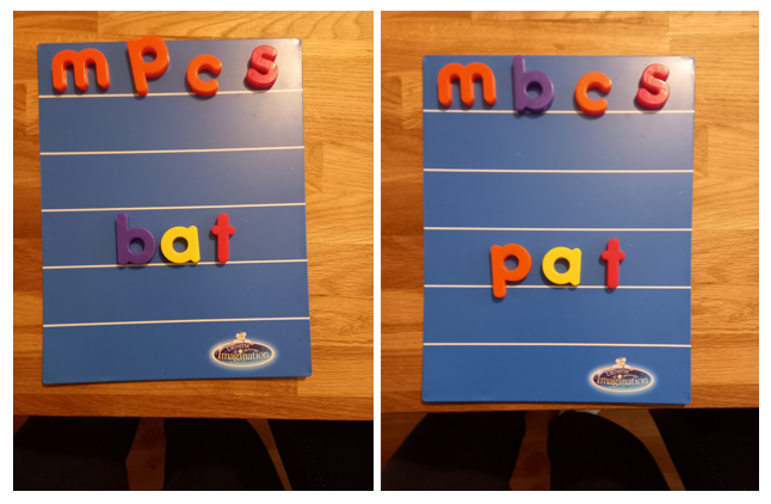
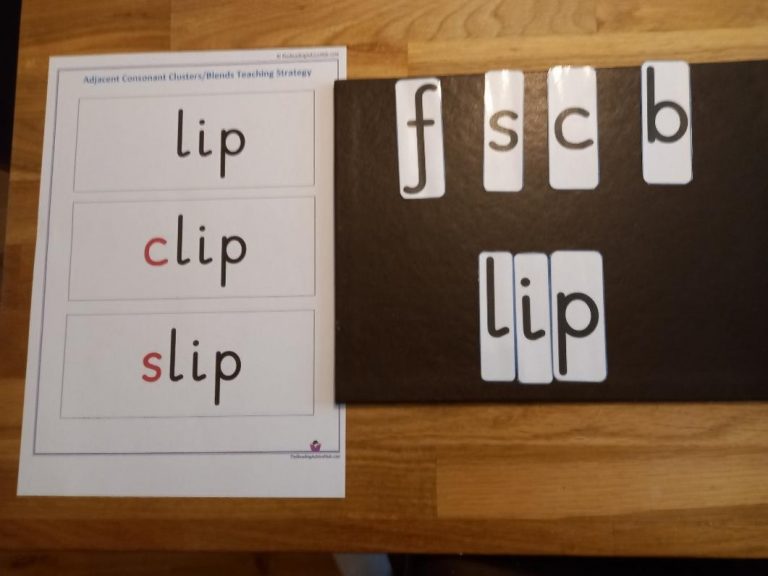
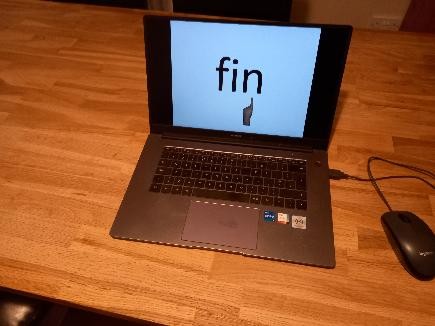
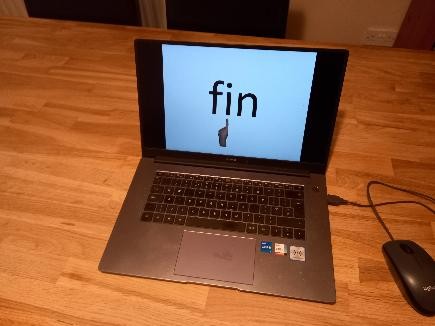
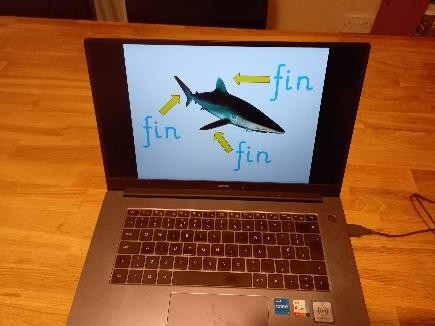
Instead of just memorising lists, we encourage active learning methods such as swapping letters into common spelling patterns to practice blending sounds (as shown in the image below). Creating a ‘family of words’ in this way builds the strong pattern recognition and decoding skills your child needs to read fluently.
Feedback from each activity instantly reveals a child’s understanding, allowing us to adjust the level of support or challenge straight away. In the example above, we can swap letters in different positions or introduce new letter patterns as confidence grows.
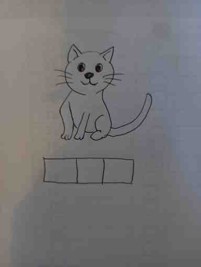
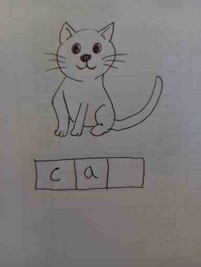
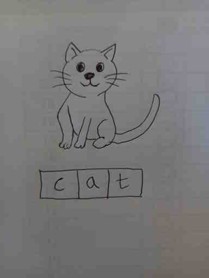
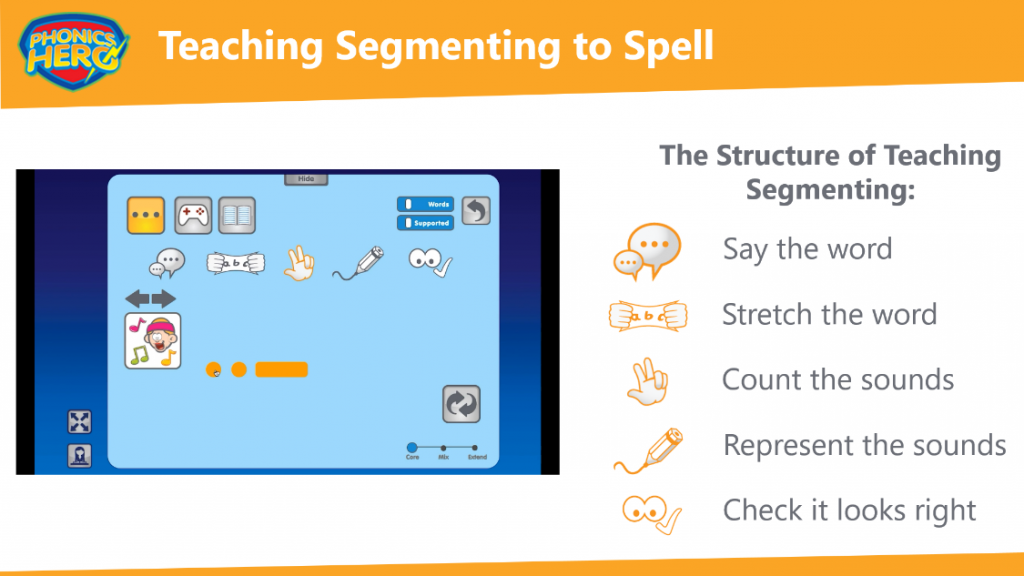
Many children find it difficult to hear the individual sounds in words when they’re trying to spell. A simple way to support them is to sketch boxes or dots to show how many sounds a word contains.
We can then help them identify some of the letters that represent those sounds, if needed, and step back gradually as they get the hang of it.
Practical Multi-Sensory Activities
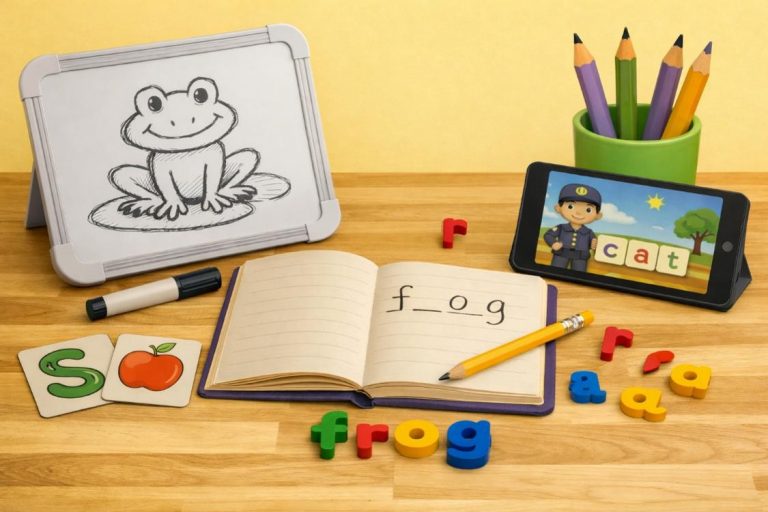
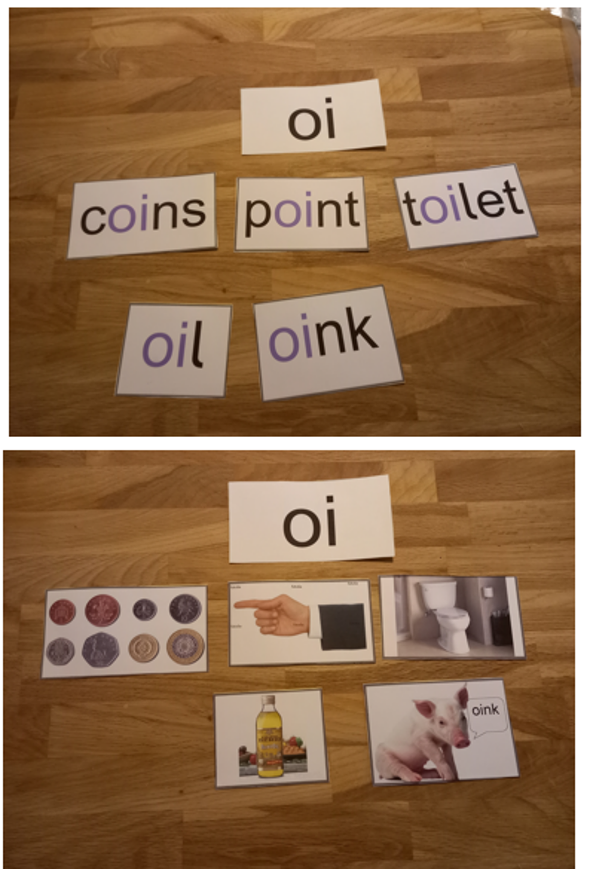
Hands-on multisensory activities allow children to physically interact with letters and sounds and actively explore words rather than simply memorising them. Engaging sight, sound, speech and movement at the same time helps strengthen the brain’s reading pathways.
Here are a few examples of the structured, hands-on activities we use in our sessions:
Magnetic letters make it easy to swap letters to practice blending and spelling.
Building and breaking apart words to feel how letters and sounds connect physically.
A simple sketch can spark a child’s interest before we guide them to spell the word with movable letters.
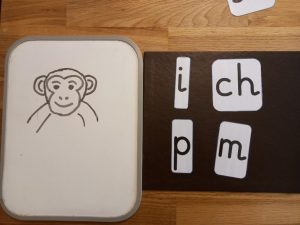
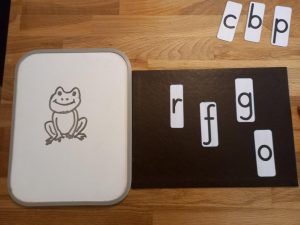
Our free printable alphabet letter cards are an alternative to magnetic letters.
After learning a blending pattern, children can use letter cards to spell the words and create similar ones on their own.
Seeing how one word changes into another helps children understand how adjacent consonants work.
Games and Interactive Learning
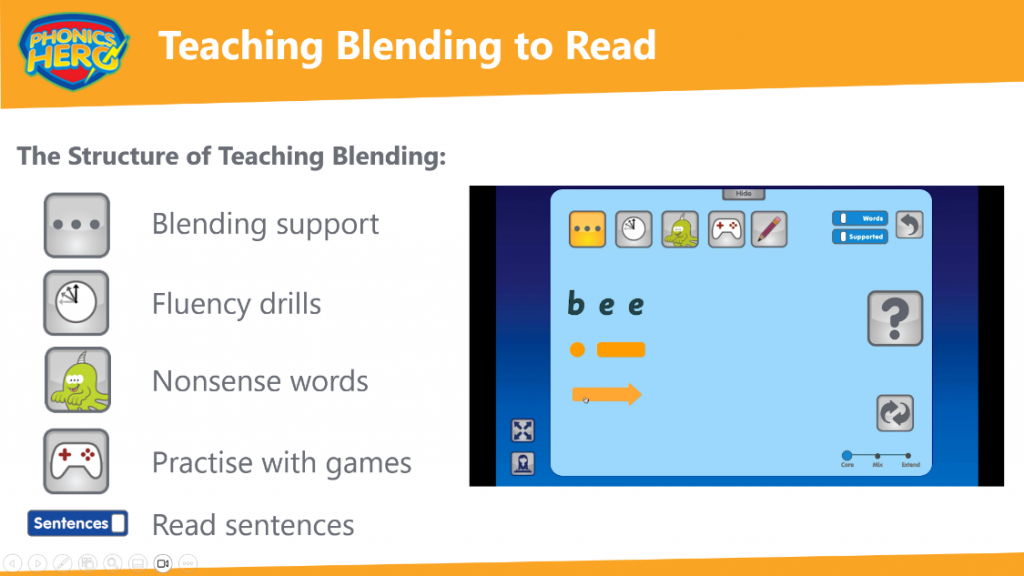
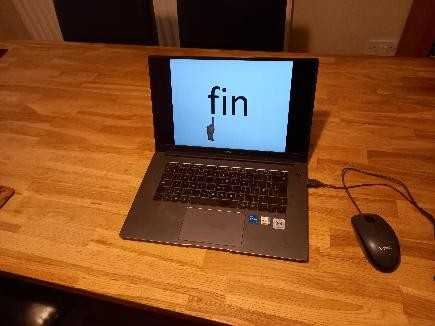
The interactive software we use in our sessions includes carefully selected online resources and the Phonics Hero teacher platform, which reinforces some of the whiteboard and multisensory activities we do.
Phonics Hero includes over 850 interactive games and activities that can be quickly adjusted to provide more support or challenge as required.
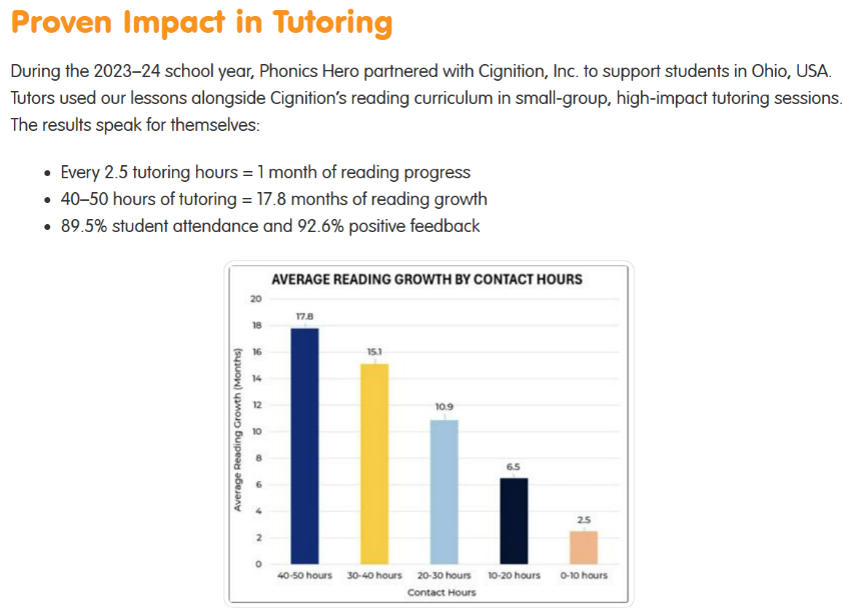
The platform has also been shown to be effective when used in tutoring sessions:
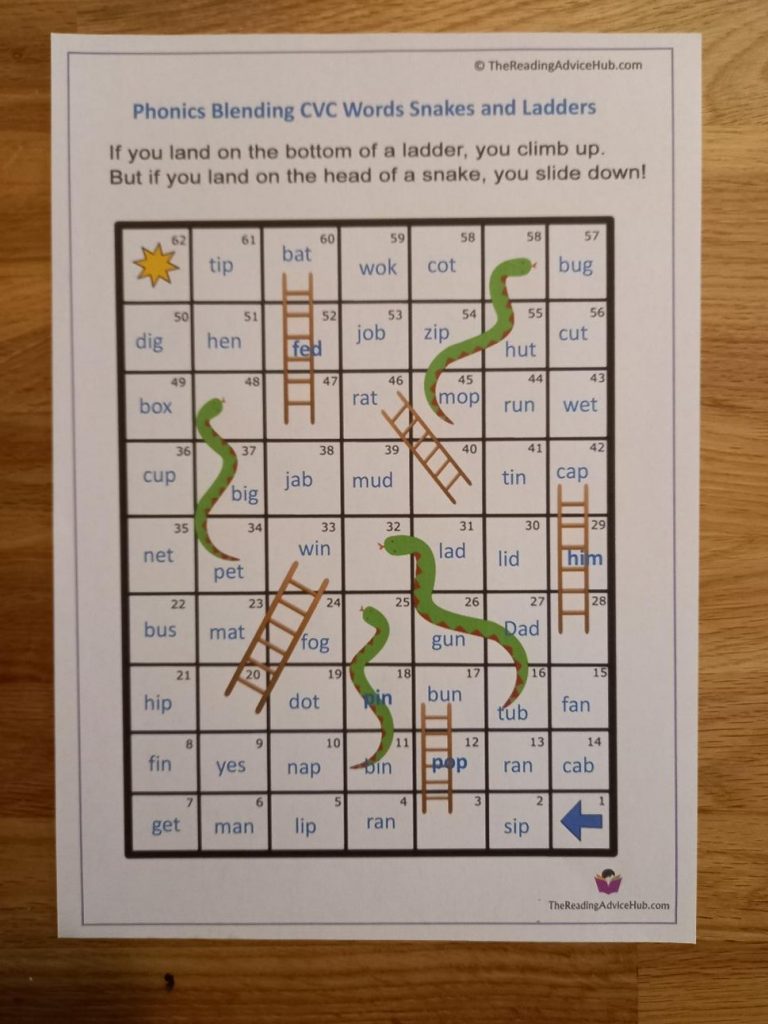
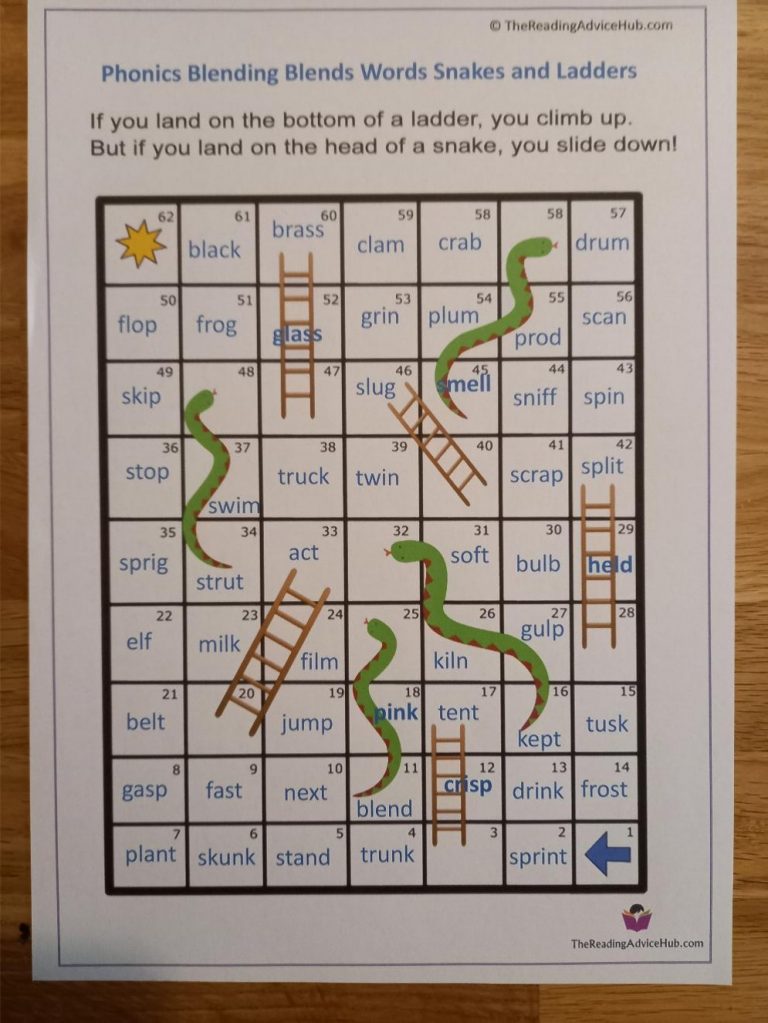
We also use some of our own more traditional games and resources…
Practising reading skills without pressure makes it fun and motivating.
Tailored Teaching & Teacher-Made Resources
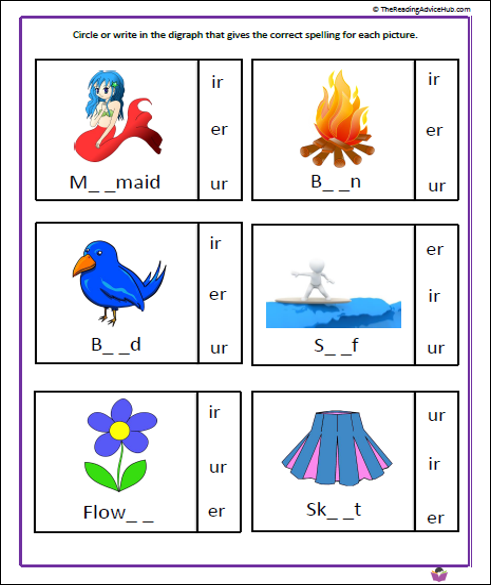
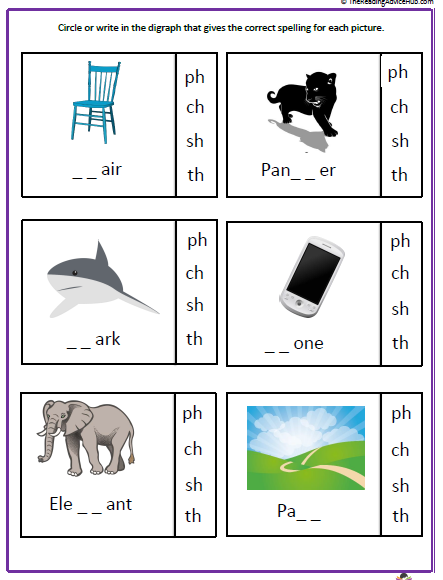
In addition to the activities outlined above, we can draw on a large collection of literacy resources developed for The Reading Advice Hub. This allows us to select activities that match each child’s current skills, interests and learning needs.
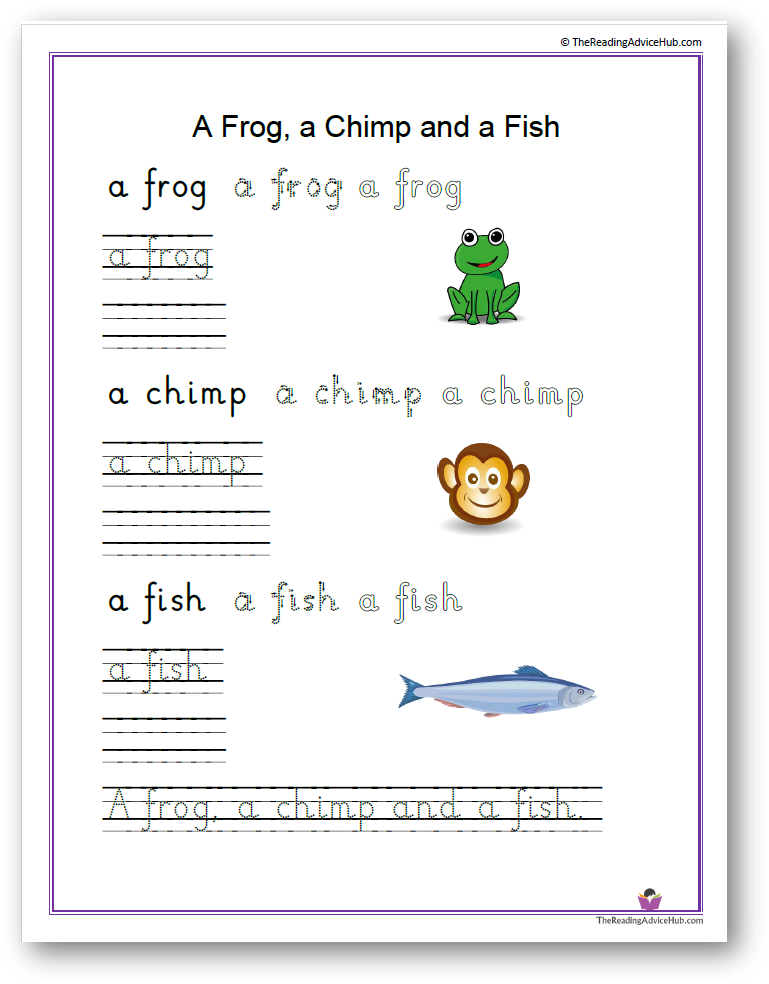
These include worksheets, PowerPoint presentations and personalised handwriting sheets designed to reinforce the concepts covered in our sessions. By adapting activities to the individual child, we can provide the right level of support and challenge while keeping learning engaging and enjoyable..
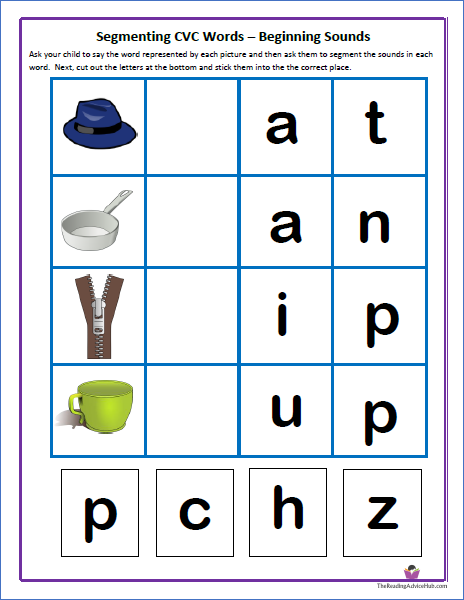
Segment the sounds in each word and add the first letter.
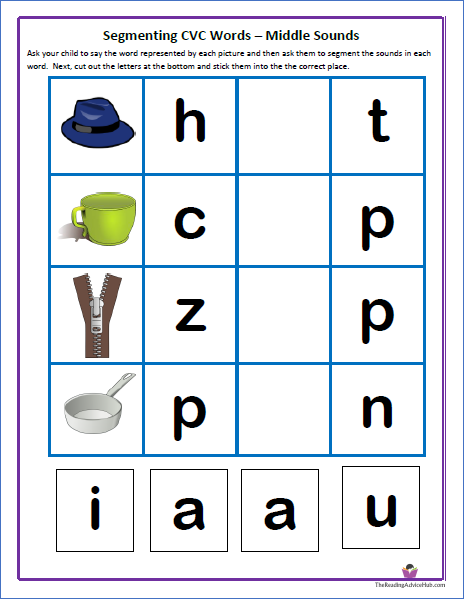
Segment the sounds and add the middle letter.
Learn how guided writing can improve reading and spelling.
Building Confidence & Independence
Many children begin tuition feeling unsure of themselves or anxious about reading. By introducing new skills in small, manageable steps and celebrating progress along the way, we help children experience regular success.
As their skills develop, reading starts to feel more achievable, naturally boosting motivation, confidence and self-esteem. Over time, this encourages children to become more independent readers who are willing to tackle unfamiliar words and enjoy reading on their own..
Every Child’s Journey Is Different
The activities shown on this page are examples of the types of resources we may use in tuition. Every child has different strengths, interests and learning needs, so sessions are carefully adapted to provide the right balance of support and challenge.